The challenge of oral peptide delivery has long been considered one of the most formidable frontiers in pharmaceutical science. Peptides — structurally complex, enzymatically labile, and inherently hydrophilic — are readily degraded within the gastrointestinal tract before reaching systemic circulation. Yet, their therapeutic promise remains immense.
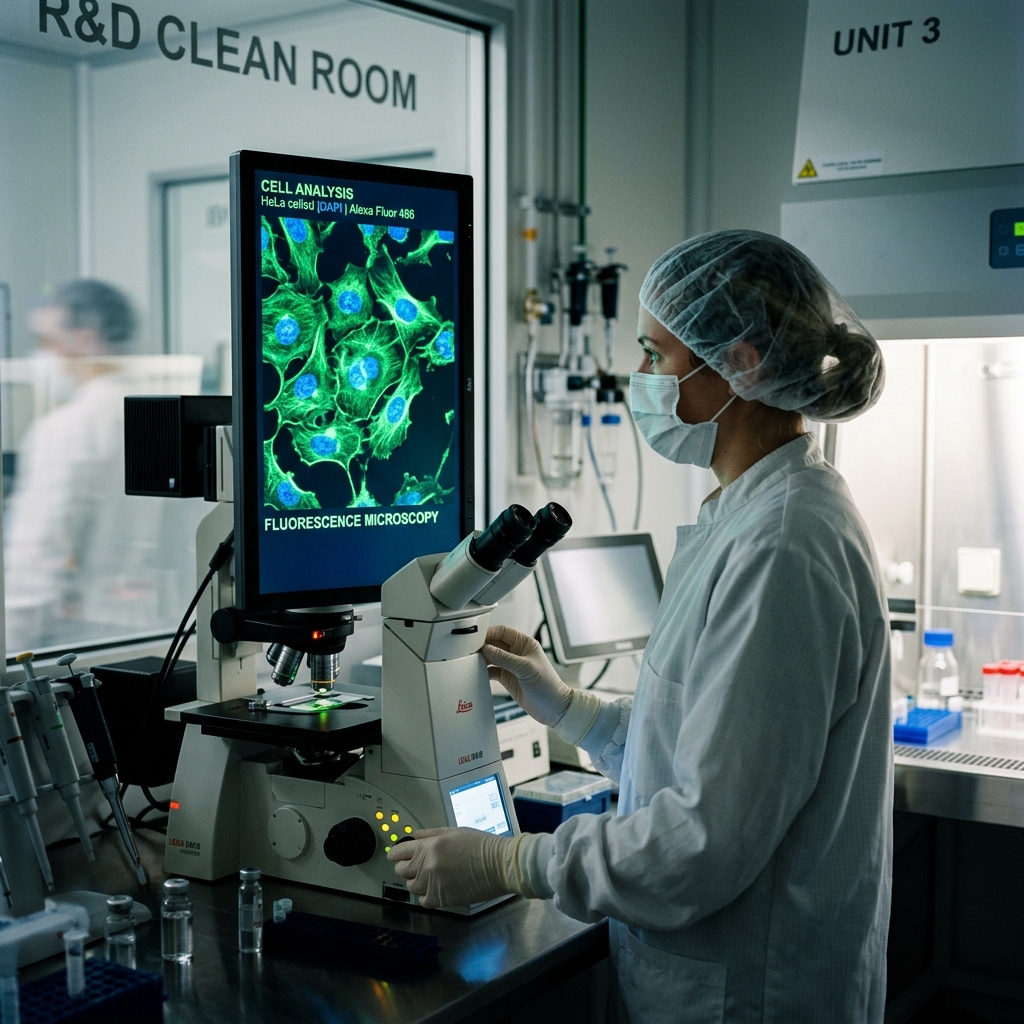
At Status Pharma, our R&D team has been actively investigating lipid-based nanocarrier systems as a next-generation platform for oral peptide bioavailability enhancement. The principle is grounded in encapsulating bioactive peptide sequences within self-emulsifying drug delivery systems (SEDDS) or solid lipid nanoparticles (SLN), which protect the cargo from enzymatic degradation while facilitating lymphatic absorption via intestinal microfold cells.
"Encapsulation within lipid nanocarriers has consistently yielded 3× to 8× improvements in oral bioavailability for GLP-1 receptor agonist analogs under our in-vivo preclinical models."
Mechanistic Principles of Lipid Nanoencapsulation
Lipid nanocarriers exert their bioavailability-enhancing effect through several simultaneous mechanisms. First, the lipid matrix physically shields peptide chains from gastrointestinal proteases such as trypsin and chymotrypsin. Second, the lipophilic shell promotes interaction with intestinal epithelial tight junctions, facilitating transcellular transport. Third, digestion of the lipid matrix by pancreatic lipases generates micelles that co-incorporate the entrapped peptide and escort it across the unstirred water layer.
Patent-Protected Formulation Strategies
Status Pharma's IP portfolio includes several novel compositions protecting the unique co-excipient combinations, emulsion stabilizers, and surface-functionalization techniques developed internally. These patents span hormone analog peptide sequences and non-insulin hypoglycemic candidates that require controlled intestinal permeation rather than direct systemic injection.
Three-stage permeation enhancement through chitosan–lipid hybrid shells has demonstrated marked improvement in transepithelial electrical resistance (TEER) disruption indices compared to traditional absorption promoters such as bile salts alone. Our multi-center preclinical studies are currently being transitioned into Phase I/II human bioavailability trials through cooperative research agreements with licensed CRO networks.
Implications for Global Out-Licensing
The commercial viability of oral peptide therapeutics extends well beyond the laboratory. For licensing partners, the ability to bypass parenteral administration routes dramatically expands patient adherence, reduces healthcare infrastructure requirements in emerging markets, and unlocks a premium pricing tier in developed pharmaceutical markets. Our technology transfer dossiers include complete CMC (Chemistry, Manufacturing, and Controls) packages conforming to ICH Q8, Q9, and Q10 guidelines and ready for submission to CDSCO, US FDA, and EMA.
- Lipid nanocarriers achieve 3–8× bioavailability improvement for GLP-1 peptide analogs in preclinical models.
- Chitosan–lipid hybrid shells offer superior TEER disruption vs. traditional bile salt promoters.
- Full CMC dossiers available for Phase I/II CRO collaboration and out-licensing under ICH Q8–Q10 compliance.
Dr. Evelyn Sterling, PhD
Director & Chief Executive Officer — Status Pharma
Dr. Sterling has 20+ years of experience in pharmaceutical formulation science with a specialization in lipid-based and polymeric drug delivery systems.